Delicate Leaf Patterns: A Minimalist Design Asset for Creative Professionals
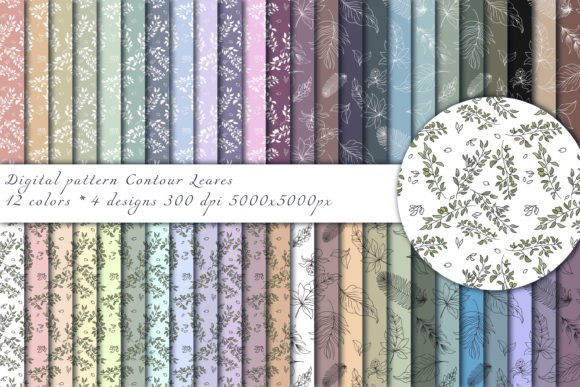
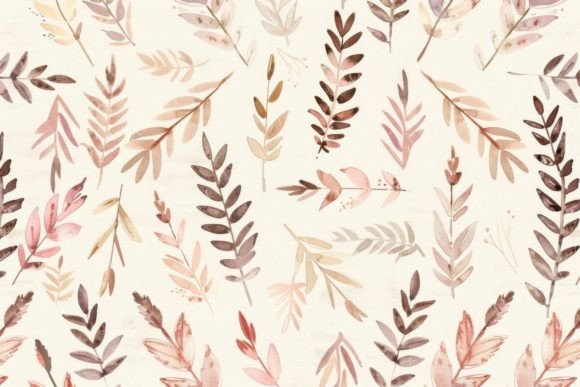
Delicate leaf patterns offer a unique aesthetic that blends nature with minimalism, making them a versatile design element for creative professionals. These patterns are characterized by their soft, intricate details and subtle color palettes, often featuring pastel and earthy tones. The combination of these elements creates a visual appeal that is both calming and elegant, suitable for a wide range of applications from digital media to print.
The Essence of Delicate Leaf Patterns
At its core, a delicate leaf pattern is more than just an ornamental design; it serves as a functional asset in various creative fields. The key characteristics include the use of fine lines, organic shapes, and a restrained color scheme. These features contribute to a sense of tranquility and sophistication, which can be particularly effective in environments where subtlety and elegance are desired.
One of the most appealing aspects of these patterns is their ability to evoke a connection with nature without being overpowering. This makes them ideal for use in interior design, fashion, graphic design, and even website backgrounds. The soft, minimalistic feel ensures that they do not distract from the primary content or message of a project, instead enhancing it with a gentle touch of natural beauty.
Key Characteristics of Delicate Leaf Patterns
- Soft and Subtle Details: Delicate leaf patterns emphasize fine details that are not too bold or intrusive. This allows them to blend seamlessly into various design contexts while still maintaining their visual interest.
- Pastel and Earthy Tone Palette: The use of pastel and earthy tones gives these patterns a warm and inviting feel. These colors are known for their calming properties, making them well-suited for spaces or projects that aim to create a relaxed atmosphere.
- Minimalist Approach: The minimalist approach of delicate leaf patterns ensures that they do not overwhelm the viewer. Instead, they provide a subtle background that complements other design elements without competing with them.
Practical Value and Real-World Applications
In real-world scenarios, delicate leaf patterns have proven to be highly valuable across multiple industries. For instance, in interior design, these patterns can be used to add a touch of nature to living spaces without being too overwhelming. They are often incorporated into wallpaper designs, fabric prints, and decorative accents that enhance the overall ambiance of a room.
For graphic designers and marketers, these patterns serve as excellent background elements for promotional materials, packaging designs, and branding assets. Their versatility allows them to be adapted to different styles and themes, making them a reliable choice for a variety of projects.
Educators and publishers may also find value in using delicate leaf patterns in educational materials or books. The soft and soothing visuals can help create a more engaging and comfortable reading experience, especially for younger audiences or those who prefer a more relaxed learning environment.
Quality and Usability Considerations
When evaluating the quality of delicate leaf patterns, several factors come into play. High-resolution images are essential for ensuring that the details remain crisp and clear, even when printed at larger sizes. A resolution of 300 dpi, as specified, is ideal for professional printing, allowing for sharp and vibrant results.
The JPEG format, while not as lossless as PNG, offers a good balance between image quality and file size. This makes it convenient for downloading and using in various digital platforms. Additionally, the absence of a watermark ensures that the design remains clean and uncluttered, which is crucial for professional applications.
Immediate download availability after purchase adds convenience for users who need access to the files quickly. This feature is particularly beneficial for professionals working on tight deadlines or managing multiple projects simultaneously.
Who Benefits Most from Delicate Leaf Patterns?
Delicate leaf patterns are particularly beneficial for individuals and businesses that prioritize aesthetics without compromising functionality. Creatives such as graphic designers, illustrators, and photographers can leverage these patterns to enhance their work with a touch of natural elegance.
Entrepreneurs and small business owners looking to establish a brand identity may find these patterns useful in creating cohesive visual elements that reflect their brand's personality. The soft and minimalistic feel of these patterns can convey a sense of professionalism and approachability.
Bloggers and content creators may also benefit from incorporating delicate leaf patterns into their website designs. These patterns can be used as background elements or decorative accents that complement the overall theme of the site without distracting from the content.
Limitations and Practical Recommendations
While delicate leaf patterns offer numerous benefits, there are certain limitations to consider. For example, the colors viewed on screen may vary from the actual printed product due to differences in monitor displays. It is important for users to be aware of this potential discrepancy and take it into account when selecting colors for their projects.
Additionally, the effectiveness of these patterns depends on how they are integrated into the overall design. Overuse or improper placement can lead to a cluttered appearance, which may detract from the intended effect. It is recommended to use these patterns sparingly and thoughtfully, ensuring that they enhance rather than overshadow other design elements.
To maximize the value of delicate leaf patterns, it is advisable to experiment with different color combinations and layouts before finalizing a design. This allows for greater flexibility and ensures that the patterns align with the specific needs and goals of the project.
Conclusion
Delicate leaf patterns represent a thoughtful and versatile design resource that can elevate a wide range of creative projects. Their soft, minimalistic feel and use of pastel and earthy tones make them a valuable asset for professionals across various industries. Whether used in interior design, graphic design, or digital media, these patterns offer a subtle yet impactful way to incorporate natural elements into modern aesthetics.
By considering the practical aspects of quality, usability, and presentation, users can effectively integrate delicate leaf patterns into their workflows and achieve visually appealing results. As with any design element, careful consideration of context and application is key to maximizing their potential and ensuring they meet the specific needs of the project at hand.