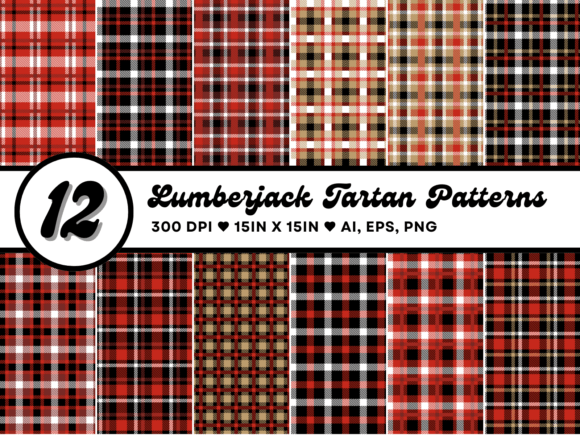
Lumberjack Tartan Patterns: A Versatile Design Element for Creative and Professional Projects
The Lumberjack Tartan Pattern has emerged as a distinctive design element, offering a rich blend of historical charm and modern versatility. Rooted in the traditional plaid patterns of Scottish heritage, this design is now being reimagined for contemporary use across various creative and professional domains. Whether you're an artist, designer, marketer, or hobbyist, incorporating Lumberjack Tartan Patterns into your workflow can add a unique visual identity to your projects.
Understanding Lumberjack Tartan Patterns
Lumberjack Tartan Patterns are characterized by their bold, geometric arrangements of red, black, white, and khaki colors. These patterns are inspired by the rugged, outdoor aesthetic associated with lumberjacks and the broader lumberjack culture. The interplay of these colors creates a striking visual effect that is both eye-catching and timeless.
These patterns are available in multiple formats, including vector AI and EPS files, which make them highly scalable for any project size. Additionally, there are 12 PNG large patterned sheets, each measuring 12×12 inches, ideal for scrapbooking, digital art, and other creative endeavors. The seamless tiles ensure that the patterns can be used without visible seams, making them perfect for backgrounds and textures.
Integration into Creative Workflows
Incorporating Lumberjack Tartan Patterns into your creative process begins with understanding where they fit best within your overall workflow. These patterns can be used during the planning phase to establish a cohesive visual theme for a project. For instance, if you're designing a brand identity or website, selecting a Lumberjack Tartan Pattern as a background element can immediately set the tone and mood of the design.
During the execution phase, the versatility of these patterns becomes evident. They can be applied to various elements such as headers, buttons, or illustrations. The availability of multiple file formats ensures compatibility with different design tools and platforms. This makes it easy to integrate the patterns into graphic design software like Adobe Illustrator or Photoshop, or even into web development frameworks.
After the initial design phase, Lumberjack Tartan Patterns can also be used for post-production enhancements. For example, they can serve as texture overlays in photo editing or as part of print materials such as brochures, packaging, or promotional items. Their durability and adaptability make them suitable for long-term use across different media types.
Practical Implementation Tips
To effectively use Lumberjack Tartan Patterns, consider the following practical tips:
- Choose the Right Format: Depending on the scale and resolution required, select the appropriate file format. Vector formats like AI and EPS are ideal for high-resolution prints, while PNG files are more suitable for digital applications.
- Test Compatibility: Before finalizing your design, test the patterns in your chosen software to ensure they render correctly and maintain their quality at different sizes.
- Balance and Contrast: When using Lumberjack Tartan Patterns, ensure they complement other design elements. Use contrasting colors or simplify surrounding elements to avoid visual clutter.
- Organize Your Assets: Keep your pattern files organized in a dedicated folder or asset library for easy access during future projects. This helps streamline your workflow and improves efficiency.
Use Cases and Workflow Examples
The application of Lumberjack Tartan Patterns extends beyond just aesthetics; they can be strategically integrated into various workflows. Here are some examples of how these patterns can be used in different contexts:
Design Projects: In graphic design, Lumberjack Tartan Patterns can be used as background textures for posters, banners, or social media graphics. They can also be incorporated into illustrations or logos to add a rustic feel.
Web Development: For websites, these patterns can be used as background images or as part of UI elements. They provide a unique visual identity that can differentiate a site from competitors.
Print Media: In print, Lumberjack Tartan Patterns can enhance the look of business cards, flyers, or packaging. Their durability ensures that they maintain their quality through multiple print runs.
Personal Projects: For hobbyists and DIY enthusiasts, these patterns are perfect for scrapbooking, embroidery, or textile projects. They offer a nostalgic yet trendy look that can be customized to suit personal preferences.
Considerations for Long-Term Use
When considering the long-term use of Lumberjack Tartan Patterns, it's important to evaluate factors such as consistency, quality control, and adaptability. Consistency is key when using these patterns across multiple projects or platforms. Ensuring that the same pattern is used in a consistent manner helps maintain a cohesive brand image or visual theme.
Quality control involves verifying that the patterns retain their clarity and sharpness at different resolutions and scales. This is particularly important for high-resolution prints or digital assets that need to be viewed on various screen sizes.
Adaptability refers to the ability of the patterns to be modified or combined with other design elements. While Lumberjack Tartan Patterns are already versatile, they can be further customized by adjusting colors, adding textures, or integrating them with other patterns or graphics.
Conclusion
Lumberjack Tartan Patterns offer a unique and versatile design solution that can be seamlessly integrated into a wide range of creative and professional workflows. From graphic design to web development, and from print media to personal projects, these patterns provide a distinctive visual identity that stands out. By understanding their characteristics and practical applications, you can effectively leverage Lumberjack Tartan Patterns to enhance your work and achieve your creative goals.